In today’s fast-moving business environment, customers expect payments to be simple, secure, and convenient. Whether they are purchasing products online, paying an invoice, subscribing to a service, or sending money through a mobile device, businesses need payment solutions that can keep up with modern expectations.
Digital payment services in the USA have become an essential part of doing business. From credit and debit card processing to ACH transfers, digital wallets, payment gateways, and instant payments, businesses now have multiple ways to accept and send money electronically.
For businesses looking to improve their payment experience, choosing the right digital payment solution can help simplify transactions, improve customer convenience, and support smoother financial operations.
What Are Digital Payment Services?
Digital payment services allow businesses and customers to send, receive, and process money electronically without relying on physical cash or traditional paper checks.
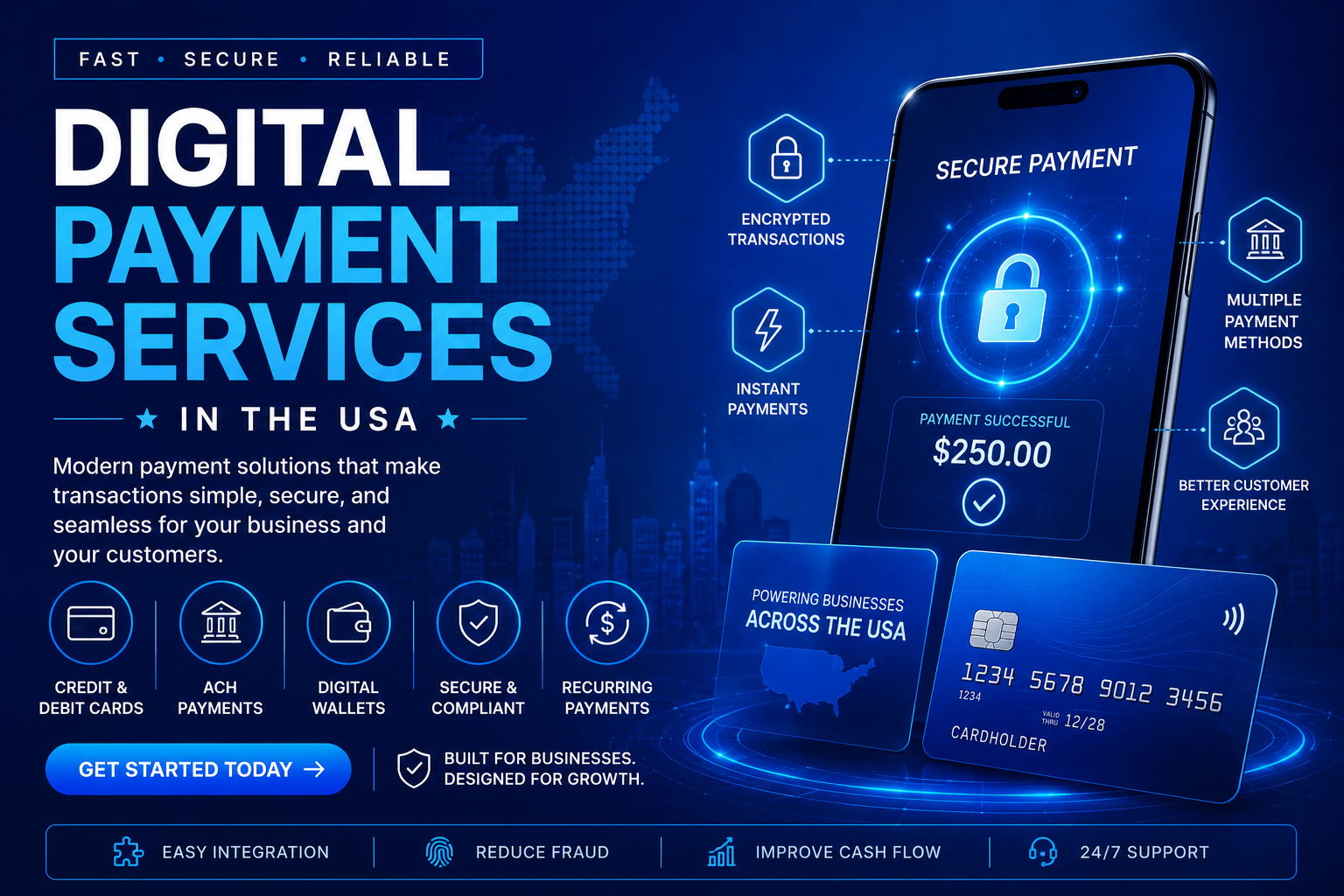
These services can include:
- Credit and debit card payments
- ACH payments
- Online payment gateways
- Mobile payments
- Digital wallets
- Recurring and subscription payments
- Electronic invoicing
- Account-to-account payments
- Instant payment solutions
- Payment APIs and integrations
The right solution depends on the business model, customers, transaction volume, security requirements, and the systems already being used.
Why Digital Payments Matter for US Businesses
Digital payments offer more than convenience. They can become an important part of a company’s overall customer experience and financial workflow.
1. Faster Transactions
Customers want payments to happen quickly. Digital payment systems can reduce the time required to complete a purchase or settle an invoice.
Instant payment infrastructure is also expanding in the United States. The Federal Reserve’s FedNow Service enables participating financial institutions to support payments that can be sent and received within seconds, 24 hours a day, every day of the year.
2. Greater Customer Convenience
Different customers prefer different payment methods.
Some may prefer credit cards, while others may choose debit cards, ACH, mobile wallets, or account-to-account payments.
Providing multiple payment options can create a smoother checkout and payment experience.
3. Better Business Efficiency
Digital payments can reduce manual processes associated with collecting checks, recording transactions, and reconciling payments.
When payment systems are integrated with accounting, CRM, e-commerce, or business management software, businesses can automate more of their payment workflow.
4. Improved Cash Flow Visibility
Electronic transactions create digital records that can make it easier for businesses to monitor incoming payments and outstanding invoices.
For businesses that depend on regular customer payments, faster access to funds can also help with working-capital management.
The Federal Reserve specifically notes that instant payments can benefit businesses when rapid access to funds or just-in-time cash flow is important.
Popular Digital Payment Methods in the USA
Credit and Debit Card Payments
Card payments remain an important option for businesses selling products and services both online and in person.
Businesses can accept payments through:
- Physical payment terminals
- Online checkout pages
- Payment links
- Mobile devices
- Integrated e-commerce platforms
ACH Payments
ACH, or Automated Clearing House, payments allow funds to move electronically between bank accounts.
They can be useful for:
- Business-to-business payments
- Recurring billing
- Invoices
- Payroll-related transactions
- Subscription services
ACH transfers are also included within the electronic fund transfers addressed by Regulation E in applicable consumer transactions.
Digital Wallets
Digital wallets allow customers to make payments using supported smartphones, browsers, or other devices.
They can reduce friction during checkout because customers may not need to manually enter card information for every transaction.
Payment Gateways
A payment gateway connects an online business’s checkout experience with payment processing infrastructure.
A properly designed gateway can help businesses securely transmit transaction information and connect payments with websites, applications, and e-commerce platforms.
Recurring Payments
Subscription-based businesses can use recurring payment systems to automate scheduled charges.
Common examples include:
- Software subscriptions
- Memberships
- Professional services
- Online education
- Maintenance plans
Automated billing can reduce the need for businesses to manually request payments each billing cycle.
The Rise of Instant Payments
One of the most important developments in the US payment ecosystem is the growth of instant payment infrastructure.
The Federal Reserve’s FedNow Service allows participating financial institutions to provide instant payment capabilities, enabling businesses and individuals to send and receive funds within seconds, around the clock.
Potential business use cases include:
- Immediate invoice payments
- Faster disbursements
- Emergency payments
- Supplier payments
- Insurance-related payouts
- Account-to-account transactions
The Federal Reserve has also highlighted industries such as auto lending and insurance as areas with potential for increased instant-payment adoption.
Security and Compliance Should Be a Priority
Convenience should never come at the expense of security.
Businesses handling digital payments should consider:
- Secure payment processing
- Encryption
- Fraud monitoring
- Access controls
- Transaction monitoring
- Secure API integrations
- Data protection
- Appropriate regulatory compliance
Businesses should also understand which regulations apply to their particular payment activities.
For example, the Consumer Financial Protection Bureau’s Regulation E establishes requirements concerning certain consumer electronic fund transfers, including areas such as disclosures, unauthorized transfers, and error resolution.
Because payment regulations can vary depending on the transaction, customer, provider, and business model, companies should obtain appropriate legal and compliance advice when implementing payment services.
How to Choose the Right Digital Payment Solution
There is no single payment solution that works for every business.
Before choosing a provider or technology platform, consider:
Transaction Volume
A growing business may need infrastructure capable of handling increasing transaction volumes without creating unnecessary friction.
Payment Methods
Determine which payment methods your customers actually use and prioritize solutions that support those methods.
Integration
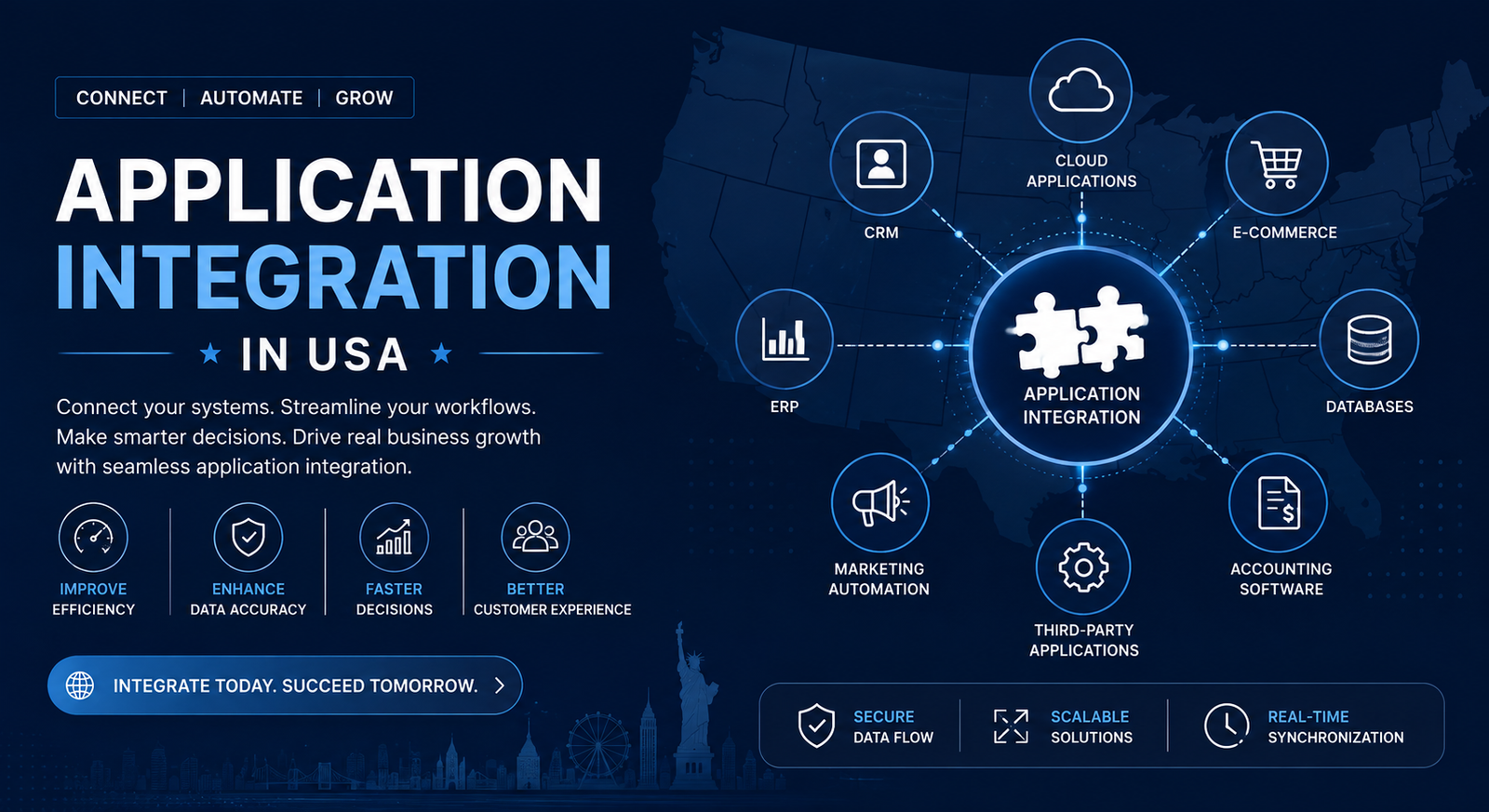
Your payment system should work smoothly with your existing:
- Website
- E-commerce platform
- CRM
- Accounting software
- ERP
- Mobile application
- Business management systems
Security
Evaluate the provider’s security features, authentication mechanisms, fraud prevention capabilities, and compliance responsibilities.
Customer Experience
A complicated checkout process can create unnecessary friction. Look for payment experiences that are fast, intuitive, and mobile-friendly.
Scalability
Your payment infrastructure should be capable of supporting future growth, additional products, new markets, and increasing transaction volumes.
Digital Payments Are More Than a Checkout Feature
For modern businesses, digital payments should not be viewed simply as a way to collect money.
They can become part of a broader digital ecosystem connecting:
Customer → Website/App → Payment System → Accounting → CRM → Business Operations
When these systems work together, businesses can reduce manual processes and create a more connected customer and operational experience.
Why Businesses Need Modern Payment Solutions
The US payment landscape continues to evolve. Customers expect convenient digital experiences, businesses want faster and more efficient payment operations, and new payment infrastructure is creating additional possibilities.
From traditional card processing and ACH to digital wallets and instant payments, businesses have more options than ever before.
The key is choosing a payment solution that fits the company’s specific needs rather than adopting technology simply because it is new.
Digital payment services in the USA are becoming an essential component of modern business infrastructure.
The right solution can help businesses accept payments more conveniently, streamline financial workflows, improve customer experiences, and prepare for emerging payment technologies.
Whether you operate an e-commerce store, professional service company, SaaS platform, enterprise business, or growing startup, investing in the right digital payment infrastructure can support long-term digital transformation.